A fellowship that feeds a venture studio
Builders from the Resource Global family are selected: cohort members, alumni, mentors, network recommendations, and board members, organized into eight teams of four to five people, each team meeting together in one city. No experience in AI is necessary. The focus is learning to think agentically and to become an effective prompt engineer. Those new to AI start with a basic course, so everyone can keep up, then each team builds a real project together.
The strongest projects move toward launch. Run well and repeated, this becomes a true venture studio: a repeatable engine that turns talented people and AI capability into ventures that serve people well and sustain Gospel work, rather than leaving ministry permanently dependent on donors.
We see the studio as one organ in a gospel ecosystem: churches, ministries, and now builders, each strengthening the other across the world's cities.


city based teams
teams filled so far
teams still recruiting
demo day, then launch
One cohort. Many cities.
Every team meets together in one city, in person, working side by side across the twelve week sprint. We're aiming for eight teams worldwide. Three are already filled: Southeast Asia, South Africa, and the first of three United States teams. We're now recruiting for the other two United States teams, plus Singapore, Nairobi, the Middle East, and Brazil.
 Southeast Asia
 South Africa
 United States
 Singapore
 Nairobi
 Middle East
 Brazil
Three reasons this is the right time
AI has lowered the cost of building
A small, capable team with the right AI tools can now build what used to take a much larger team and budget. The constraint is no longer engineering capacity. It is judgment, taste, and follow through. Exactly what a well run fellowship develops.

People are looking for meaningful work
Gifted builders, many of them Christ followers, want their work to matter beyond a paycheck. Real AI skills pointed at projects with purpose is a rare offer: formation, expert guidance, and a network you cannot easily find elsewhere.

Sustainability can't only mean fundraising
If ventures are to sustain Gospel work over the long term, someone has to originate them. A studio is that way: the difference between hoping a good idea shows up and building a machine that produces them.
The arc: learn, then build
Four phases over roughly twelve weeks. The teaching centers on learning to think agentically and to prompt well, with real projects throughout.

Foundations
The core skill: learning to think agentically and to become an effective prompt engineer. Those new to AI start with a basic course. Plain language and hands on, through recorded sessions and best practice talks from a variety of teachers, with the occasional live session.

Discovery
Teams form and select the project they'll build, prioritized for fit rather than first come. Each team is paired with a project manager and a subject matter expert, and delivers a one page project brief before building begins.

Build
Each team builds a working project together, with weekly check ins from a project manager and a subject matter expert, plus regular milestone reviews.

Demo & Decide
Teams present what they built at Demo Day. Projects that show real promise move toward a launch and ownership conversation.
The rhythm: sessions to watch on your own time, team build sessions, check ins with your project manager and expert, then Demo Day.
Teaching from many voices
Recorded sessions and best practice talks from a variety of teachers, plus occasional live sessions, all pushing you to think agentically.
A project manager and an expert
Every team gets a project manager to keep things moving and a subject matter expert to guide the work.
Tools & access
The AI tools, accounts, and budget you need. Effort and ideas are the only bottleneck.
Faith & stewardship formation
What it means to build ventures as stewards. The work shapes the builder, not just the product.
A lasting network
Fellows stay connected to the studio and each other well beyond Demo Day.
A real path to launch
This isn't a course with a certificate at the end. The strongest projects become ventures.
Learn from those doing the work
There's no fixed classroom. You learn from a growing library of recorded sessions and best practice talks, hearing from a variety of teachers on what they're learning in AI right now, with the occasional live session. The constant thread: challenging you to think agentically. The sessions cover:
The Economics and Context of AI
Why this moment matters: where money and compute are flowing, and how AI is reshaping industries and work. Everyone leaves with the context and the why before touching a single tool.
The AI Landscape and the Tools You'll Use
The big picture in plain terms: what AI and large language models are, the main types of AI platforms, from chat assistants to coding agents to image and video generators, and the toolkit the cohort will actually use, including Claude Code, vibe coding, and subagents. Everyone leaves sharing one map and vocabulary.
Building with AI, Hands On
Real work on the keyboard in Claude Code: how to prompt well, how to vibe code a small project, and how to use subagents to break a bigger task into steps. Everyone leaves having actually built something.
Designing AI Products People Actually Want
The shift from can we build it to should it feel like this. What makes an AI feature feel simple and trustworthy rather than gimmicky, and how good design hides the underlying complexity. Teams critique real AI products and redesign one.
Responsible AI, Risk, and Staying Out of Trouble
The real risks builders create without noticing: privacy, data use, bias, and liability, plus what the model providers' terms actually let you do. Everyone leaves with a short, practical checklist to run before shipping anything to real people.
Getting People to Actually Use What You Built
The part most builders skip: how to launch a small product, find your first real users, and tell a story that makes people care, plus how to tell early whether an idea is working.
Many voices. Guided closely.
You'll hear from a variety of teachers sharing best practices and what they're learning in AI, mostly through recorded sessions with the occasional live talk. Each team also gets a project manager to keep things moving and a subject matter expert to guide the work.
teachers sharing best practices
teams, each with a PM and an expert
recorded, watch on your own time
new sessions added over time
Candidate projects for Cohort 1
Each brief is scoped so a team can demo something real in twelve weeks. Every team builds a real project, selected during Discovery.
Bible Research Assistant
An AI research assistant for Bible study and sermon prep, grounded in trusted sources, that helps pastors and teachers dig into Scripture deeply and quickly.
Video AI with B Roll Platform
Create and edit video with AI, complete with automatically sourced b roll, built for teams of one.
Mobile Game or Player Development Platform
Either a small, well made game on the Apple App Store with an honest revenue goal, or a platform that helps track and develop player performance. The team settles on one direction during Discovery.
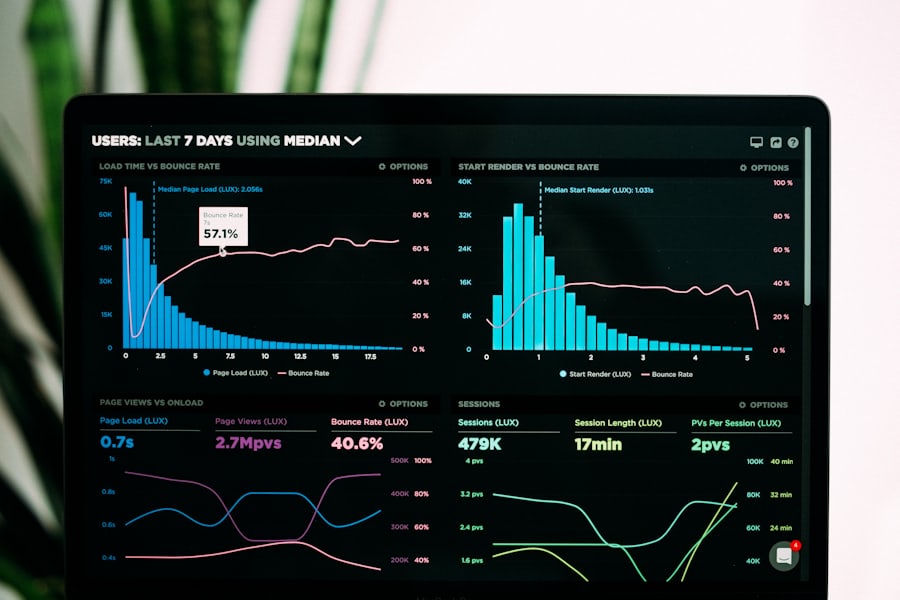
Donor Research Platform
An AI researcher for donor development, built for small to medium nonprofits.

A fifth project, to be announced
Our fifth city based team needs a fifth brief. It is being scoped now and will be announced before applications open.
Each team builds a real project, selected during Discovery. More briefs may be added as teams fill.
Clear from day one. Generous at launch.
You'll see these exact terms in the application itself, so there are no surprises and no broken trust later.
During the fellowship
Createpossible Ventures Lab owns the intellectual property (IP) of what teams build. This protects everyone: it lets us invest real resources, guidance, and tools into the work, and keeps the portfolio coherent.
If a project launches
We work out ownership with that team at that point: equity, revenue share, or another structure, decided when there is something real to decide about, not theoretically up front.
The principle
Generosity and fairness. The people who built something real should share in what they built. We are a partner, not just an owner.
“We give because we have received. Founders who know grace fund the next generation gladly.”
How a team's sprint runs
There's no fixed cohort date. Teams form on a rolling basis, and each one starts its twelve week sprint as soon as it's full.
Teams are forming
We're recruiting builders into city teams across the Resource Global network worldwide. Three teams are filled; more are forming. Interviews happen as applications arrive.
The sprint begins
As soon as a team of four to five is complete, a project manager and subject matter expert are matched, tools are onboarded, and the twelve week sprint starts.
Foundations
Everyone learns to think agentically and to prompt well, with tips from experienced AI experts. Those new to AI start with a basic course.
Discovery and Build
The team scopes its project, then builds a working version together, with weekly check ins from its project manager and expert, plus milestone reviews.
Demo Day
The team presents what it built. The strongest projects move toward launch.